Understanding Methanol Poisoning?
Methanol intoxication happens after toxic alcohol consumption of methanol, a substance that can be found in industrial products and contaminated liquids. The danger is not just the methanol itself, but how the body metabolizes it into a poisonous metabolite called methanoic acid. That conversion is what drives much of the harm, especially the development of acidosis.
From a medical standpoint, methanol poisoning is a time-sensitive problem because symptoms may appear in stages. Early findings can be vague, but as the body processes methanol, the patient may develop worsening acid-base balance problems and signs of end-organ injury. This is why clinical suspicion matters so much: the diagnosis can be missed if the exposure history is unclear.
When looking at laboratory results, methanol poisoning is important because it often creates a pattern of increased anion gap acidosis. Such a pattern is a major key clue and often prompts urgent test interpretation, toxicology consultation, and prompt assessment of the patient’s condition.
How Methanol Impacts the Anion Gap
The anion gap reflects the gap between measured cations and measured ions in blood, helping clinicians detect unmeasured anions. In methanol poisoning, the gap rises because methanol is converted into formic acid and additional acidic compounds that introduce unmeasured acid to the bloodstream. This pushes the body toward acidic blood and causes metabolic acidosis.
As formic acid accumulates, bicarbonate is depleted by the body’s buffering system. That leads to a drop in serum bicarbonate, which is a key sign of increasing acid-base disturbance. The anion gap increases because the missing bicarbonate is replaced by unmeasured organic acids, creating a classic acid-base disorder.
This is why methanol poisoning often produces high anion gap metabolic acidosis. The larger the burden of formic acid, the more severe the gap may become. However, timing plays a role. Early after exposure, methanol can be present before it is fully metabolized, so the anion gap may not yet be significantly elevated. That timing issue is part of why clinicians rely on the whole picture rather than a single number.
In practical terms, the rise in anion gap is a marker of worsening toxicity and helps guide next steps. When the anion gap calculation shows a significant elevation, clinicians think about methanol among other causes of high-gap acidosis and move quickly to confirm the diagnosis and start treatment.
The reason the Anion Gap Calculator Matters
An Anion Gap Calculator is valuable because it quickly converts the basic electrolyte panel into a clinical aid. By using sodium, chloride, and often potassium along with serum bicarbonate, it helps determine whether a patient may have a hidden metabolic problem. In methanol poisoning, that can be the starting point toward recognizing a life-threatening acid-base disorder.
The calculator matters because it supports bedside laboratory interpretation when symptoms are nonspecific. A patient with headache, nausea, or confusion may not obviously look poisoned. But if the Anion Gap Calculator shows a high result, that becomes a powerful diagnostic clue that calls for more testing and a careful search for toxic alcohol ingestion.
It also helps clinicians monitor progression. A falling bicarbonate level and rising gap can show that the patient’s condition is getting worse even before severe symptoms appear. In that sense, the calculator is not just for diagnosis; it is part of ongoing rapid assessment and trend interpretation during treatment.
Because methanol poisoning can evolve quickly, the gap should be interpreted alongside the rest of the serum electrolytes, symptoms, and exposure history. No calculator replaces judgment, but it can strengthen clinical suspicion and support timely poison management.
Common Test Results in Methanol Toxicity
Characteristic test findings in methanol toxicity often include a raised osmolar gap at first and a raised anion gap subsequently as formic acid accumulates. The osmolar gap shows the presence of unmeasured solutes in blood, which might be methanol itself before metabolism is complete. As the toxic metabolite builds up, the picture changes toward metabolic acidosis and a worsening anion gap.
An arterial blood gas commonly shows low pH, indicating acidemia. The blood gas may also show a reduced bicarbonate level and a marked or large base deficit, which indicates a substantial acid load. These results align with the broader story of acid-base failure and help define the severity of the crisis.
Another important point is that methanol toxicity can coexist with or mimic other metabolic problems. For example, lactic acidosis may be present if tissue hypoxia, seizures, shock, or poor perfusion occur. That means the final acid-base pattern may be mixed, and the electrolyte panel should always be interpreted in context.
The combination of an elevated osmolar gap, low pH, low serum bicarbonate, and elevated anion gap is highly suggestive of methanol-related toxicity. Still, the absence of one classic sign does not exclude poisoning, especially if the patient presents early or has already partially metabolized the alcohol.
Understanding a High Anion Gap
A high anion gap means there are additional unmeasured anions in the blood, which often signals a medically significant acid-base disorder. In methanol poisoning, those unmeasured anions are mostly due to formic acid and related acidic metabolites. The result is a pattern that should promptly raise concern for a toxic ingestion.
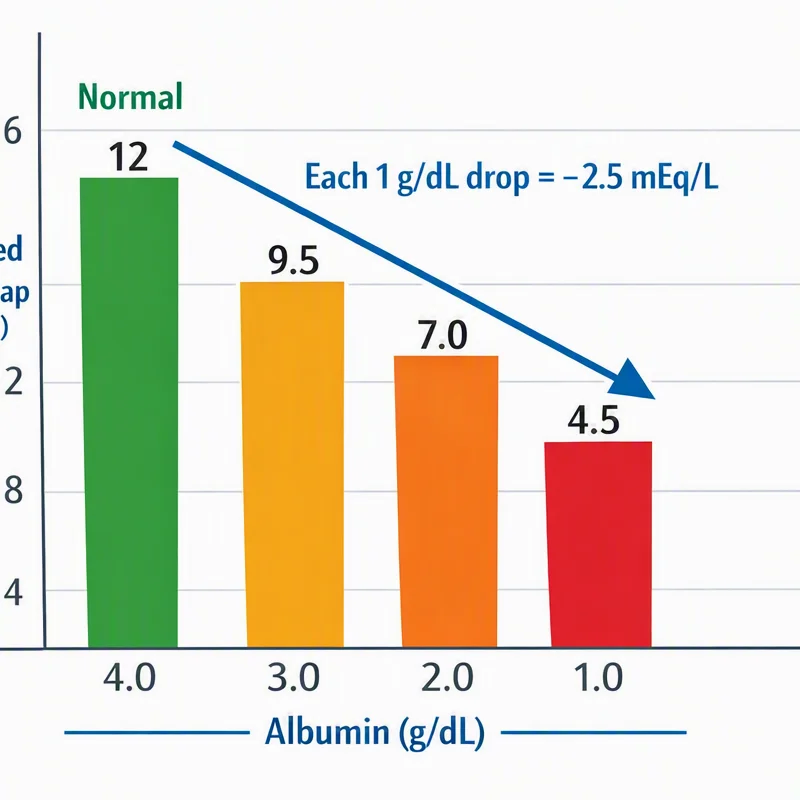
To interpret the finding correctly, clinicians look at the full acid-base picture. Serum chloride may appear relatively low or unchanged depending on the stage of illness, while bicarbonate is often reduced. The anion gap calculation is therefore a measure of how the body is compensating, not just a single isolated measurement.
It is also important to understand that not every high anion gap is methanol. The differential diagnosis includes various critical conditions, and the right interpretation comes from combining the laboratory pattern with symptoms, history, and targeted testing. This is where the Anion Gap Calculator becomes a useful tool for directing next steps.
A high anion gap is a important clue, not a final diagnosis. In methanol poisoning, it should prompt urgent evaluation for toxic alcohol exposure and other causes of metabolic acidosis.
Methanol Poisoning Compared with Additional Causes of Elevated Anion Gap
Several disorders can cause a high anion gap, so differentiating methanol poisoning from other causes is essential. A key comparison is ethylene glycol poisoning, another toxic alcohol exposure that also results in metabolic acidosis. Each can occur with an elevated anion gap and osmolar gap, but the associated clinical findings may differ.
Ketoacidosis is another frequent cause of high-gap acidosis. Diabetic ketoacidosis or alcoholic ketoacidosis can produce a marked rise in unmeasured acids, but the patient history, glucose level, ketones, and overall presentation usually point in a different direction than methanol https://anion-gap-results737.capitaljays.com/posts/can-hyponatremia-affect-the-anion-gap exposure.
Uremia can also increase the anion gap, especially in advanced kidney dysfunction, because retained organic acids accumulate when renal clearance falls. In that setting, the lab pattern may mimic poisoning, which is why the full differential diagnosis matters. The calculator can identify the gap, but only careful clinical reasoning can explain it.
Lactic acidosis is another leading cause in the differential. It can occur with sepsis, shock, hypoxia, or severe illness and may coexist with methanol toxicity. Because the laboratory pattern can be mixed, clinicians often use toxin screening, repeat blood gases, and trend analysis to determine the cause. That is part of effective laboratory interpretation and cautious clinical suspicion.
Whenever Methanol Poisoning Becomes an Emergency
Methanol exposure is a medical emergency when signs or test results suggest major poisoning. Warning signs include eye symptoms, especially fuzzy vision, because methanol and formic acid can cause retinal toxicity. Ocular findings are particularly concerning and may appear alongside headache, mental confusion, abdominal discomfort, or worsening acidosis.
Progression of symptoms matters. A patient may first seem mildly ill, then decline as formic acid accumulates and the acid-base problem worsens. That symptom progression can be fast and hazardous, which is why toxic alcohol poisoning should never be dismissed when the clinical history is uncertain but the laboratory values fit.
Treatment usually includes an counteracting antidote such as fomepizole treatment, which blocks alcohol dehydrogenase and slows formation of formic acid. In more severe cases, renal replacement therapy is needed to remove methanol and fix the acid-base disturbance more quickly. These interventions are often started based on clear concern rather than waiting for every confirmatory test.
If methanol poisoning is suspected, poison control and toxicology input are often critical. The combination of elevated anion gap, reduced bicarbonate, vision changes, and possible toxic alcohol exposure should prompt rapid action, because delays can increase the risk of lasting harm.
FAQ: Methanol Poisoning and Anion Gap
Does methanol poisoning always cause a high anion gap?
No. Methanol poisoning commonly causes a high anion gap, but not at first. Soon after toxic alcohol ingestion, the patient may have a regular gap before enough methanol has been metabolized into formic acid. As toxicity progresses, the gap usually rises as metabolic acidosis becomes more apparent.
Why does formic acid increase the anion gap in methanol poisoning?
Formic acid acts as an acid that the body must buffer. As bicarbonate is consumed, serum bicarbonate falls and the blood accumulates unmeasured anions. That shift raises the anion gap and contributes to high anion gap metabolic acidosis.
Can the anion gap be normal early in methanol poisoning?
It can. The anion gap may be normal early if methanol is still mostly unmetabolized. At that stage, the osmolar gap may be the more useful clue. As time passes, the osmolar gap may fall while the anion gap rises, so timing is important for laboratory interpretation.
What other lab values should be checked with a high anion gap?
Clinicians usually check an arterial blood gas, pH, bicarbonate, the full electrolyte panel including sodium, chloride, and potassium, plus the osmolar gap. Depending on the case, they may also look for lactic acidosis, ketones, kidney function changes suggesting uremia, and other markers that support the differential diagnosis.
How is methanol poisoning treated when the anion gap is elevated?
Elevated anion gap in methanol poisoning often leads to urgent treatment with fomepizole and, in severe cases, hemodialysis. Supportive care and toxicology-guided management are also important. The goal is to stop further formation of the toxic metabolite, correct the acidosis, and prevent complications such as visual symptoms and retinal toxicity. If methanol poisoning is suspected, immediate evaluation through poison control and emergency care is appropriate.